
Use Cases.
Wombat is built for real projects. Here's how engineering teams, architects, and platform teams apply the framework to make better decisions — faster.
Who uses Wombat.
From individual engineers to platform teams and leadership — the framework scales to every context.
Cloud Engineers & Architects
Use the 8-pillar scoring model to identify gaps in existing workloads and prioritise remediation work. Create a shared baseline for architecture reviews.
Platform & SRE Teams
Embed Wombat controls into platform guardrails, IaC templates, and deployment pipelines. Make best practices default — not optional.
Tech Leads & CTOs
Use PASS scores to communicate workload maturity across teams, track improvement over time, and set transparent quality targets.
Consultants & Auditors
Apply a consistent, vendor-neutral framework to assess client workloads. Deliver structured findings with traceable scoring rather than opinion-based reviews.
Researchers & Educators
Wombat provides an open, documented baseline for cloud architecture research and teaching. Use the framework to structure case studies and compare approaches.
Open Source Projects
Apply Wombat to your own infrastructure. Contribute back patterns, controls, and reference architectures that work in practice.
Common application patterns.
Five concrete ways teams put Wombat to work — from single workload reviews to org-wide benchmarking.
Workload assessment
Run a structured review against all 8 pillars to identify gaps. Score each pillar using the PASS model. Produce a findings report with prioritised remediation items — comparable across teams and over time.
Architecture design review
Use Wombat as a structured checklist during pre-launch design reviews. Map proposed architecture decisions to specific controls before deployment — catch gaps early, not in production.
Multi-team benchmarking
Apply a consistent scoring model across multiple teams or services. Use PASS scores to identify outliers, align on shared improvements, and track progress with a single metric over time.
Continuous improvement
Embed Wombat into quarterly engineering reviews or OKR cycles. Re-score workloads as improvements ship. Use trend data to demonstrate progress and justify investment in platform quality.
Vendor-neutral due diligence
Use Wombat as an independent framework when evaluating cloud migrations, platform choices, or acquisitions. Not tied to any cloud provider — assessments remain objective.
Real-world use cases.
In-depth examples from teams that applied Wombat in production. Each case covers context, approach, and outcomes.
Examples, not customer references — yet. These cases are written as realistic examples to show the format. If your company has used Wombat in production and can share the story publicly, open a PR or contact us in Slack. We are actively looking for public company use cases.
Fintech compliance review
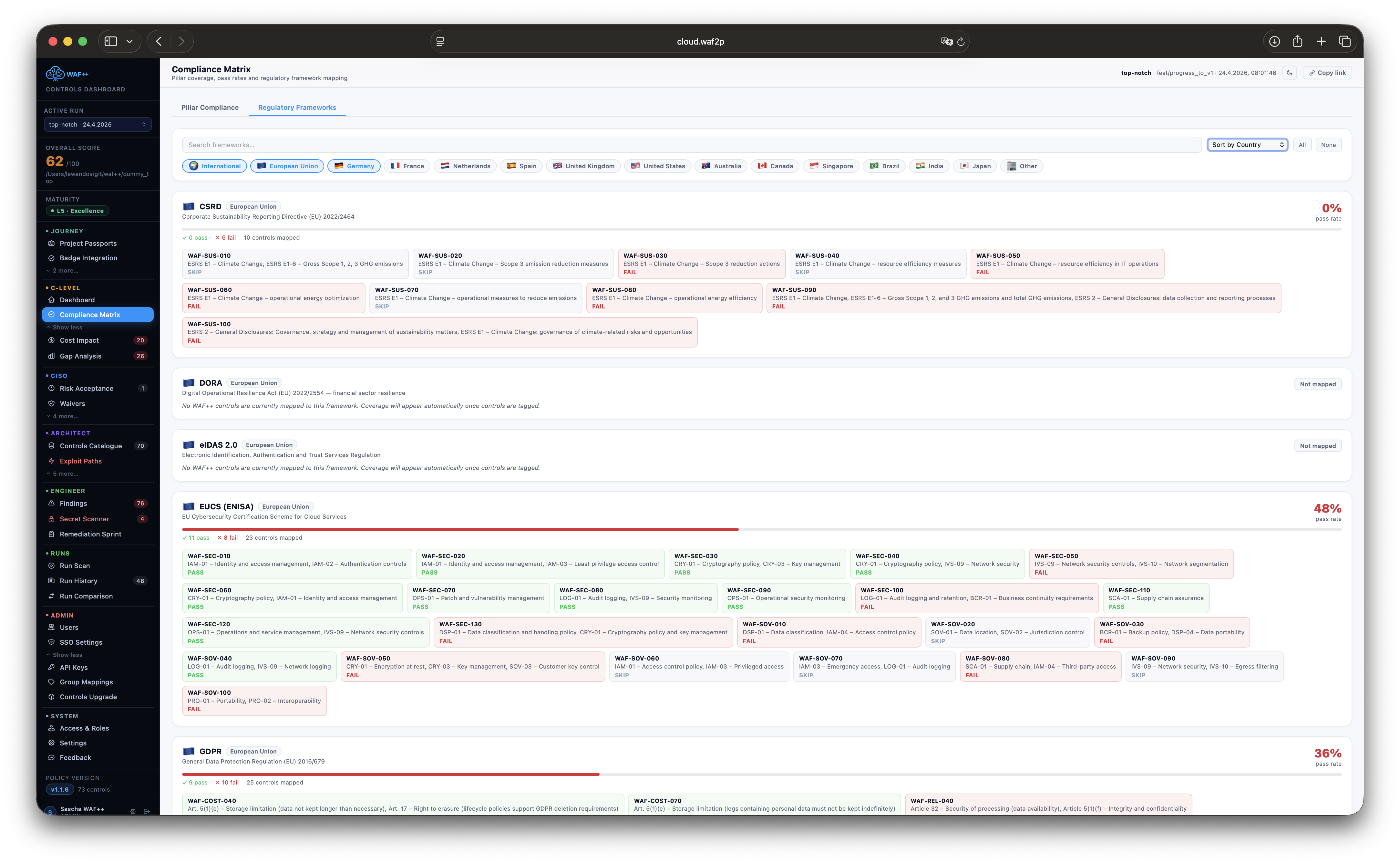
A regulated fintech uses Wombat to map cloud controls to DSGVO, BSI C5, and NIS2, then closes Sovereign and Security gaps before an audit.
Read the case →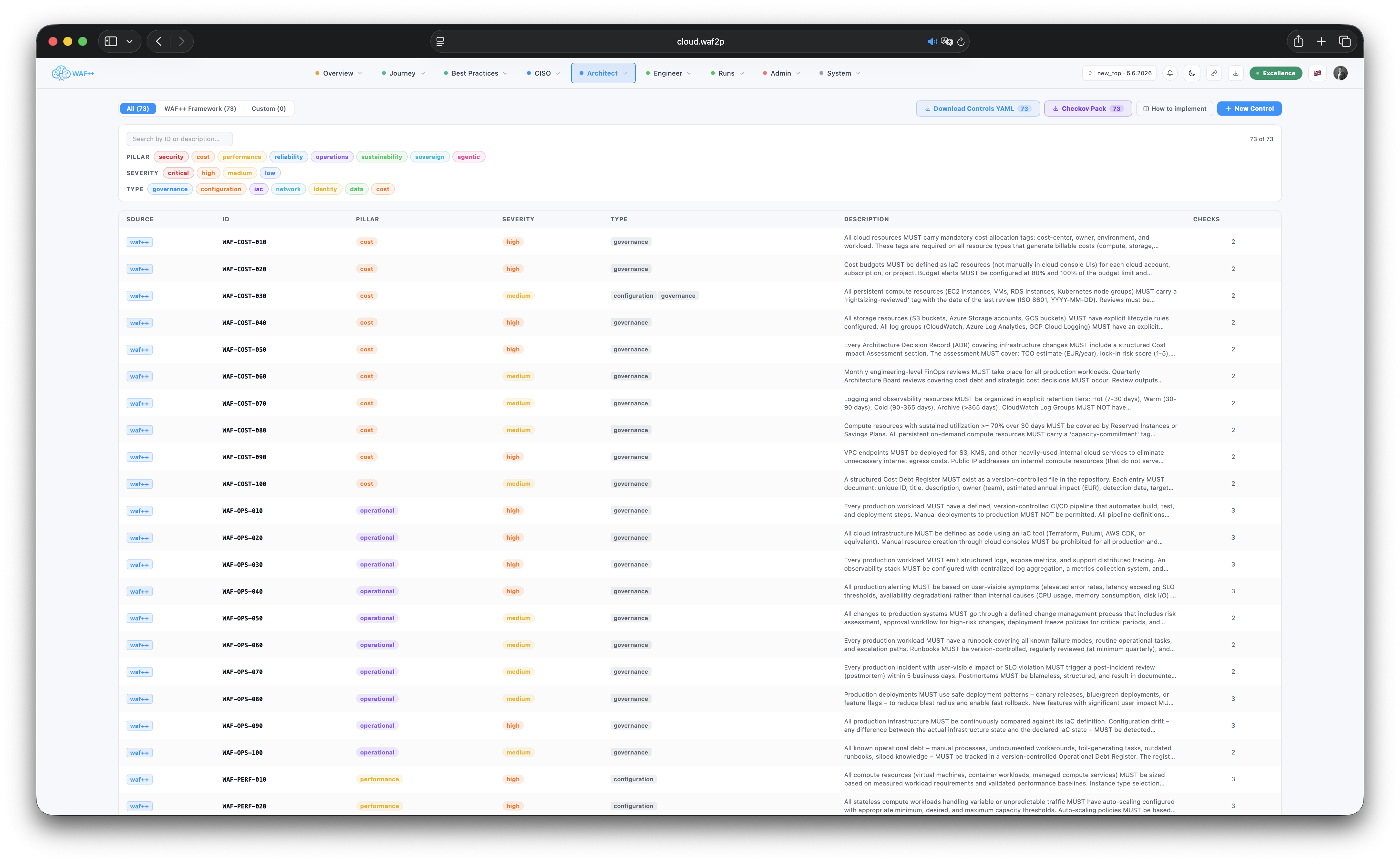
Platform golden paths
A platform team embeds the 8 pillars into internal developer templates so every service launches with Security, Operations, and Sovereignty by default.
Read the case →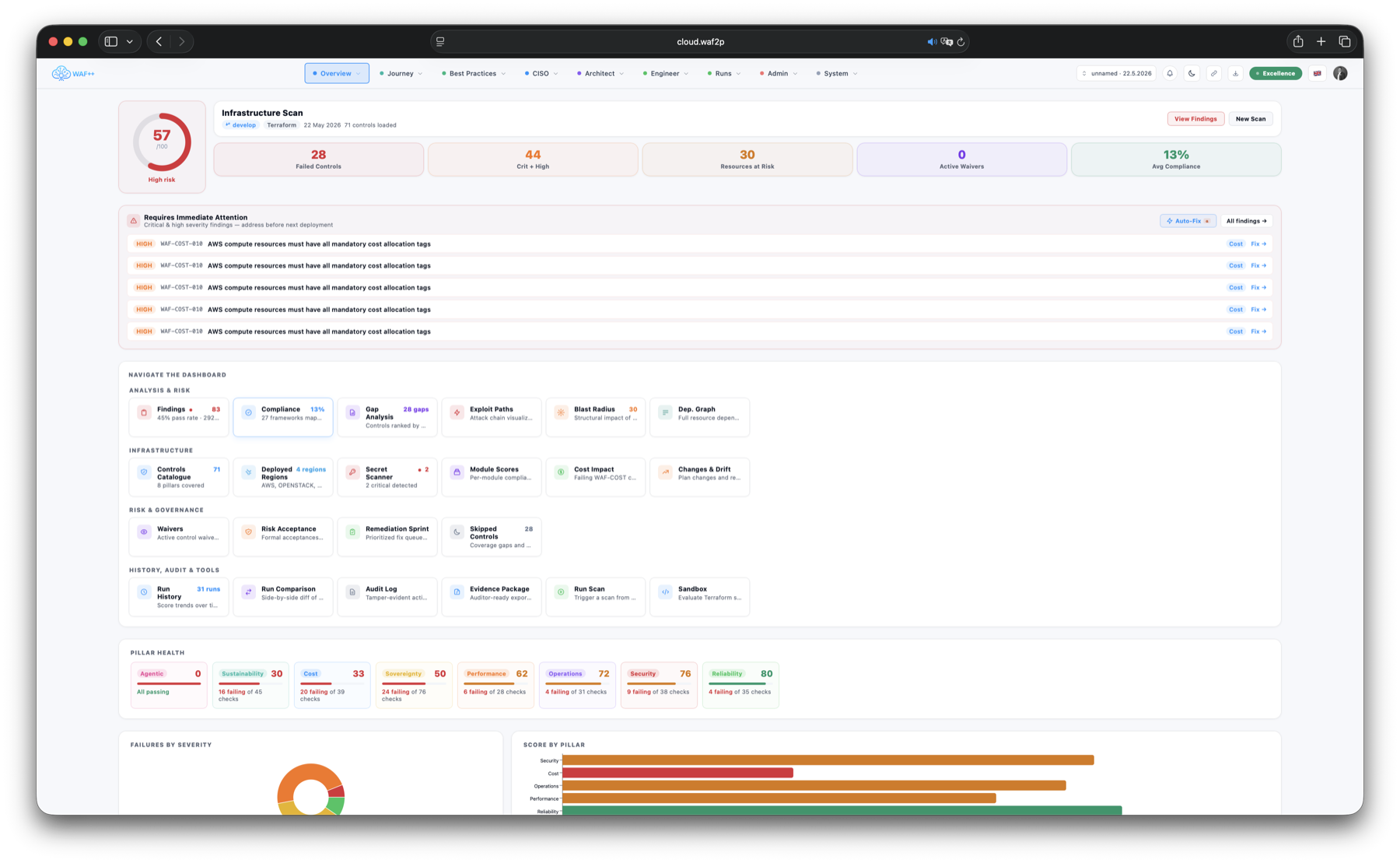
Sustainability rightsizing
A SaaS company reduces cloud carbon footprint by scoring Sustainability, eliminating idle resources, and shifting batch jobs to greener regions.
Read the case →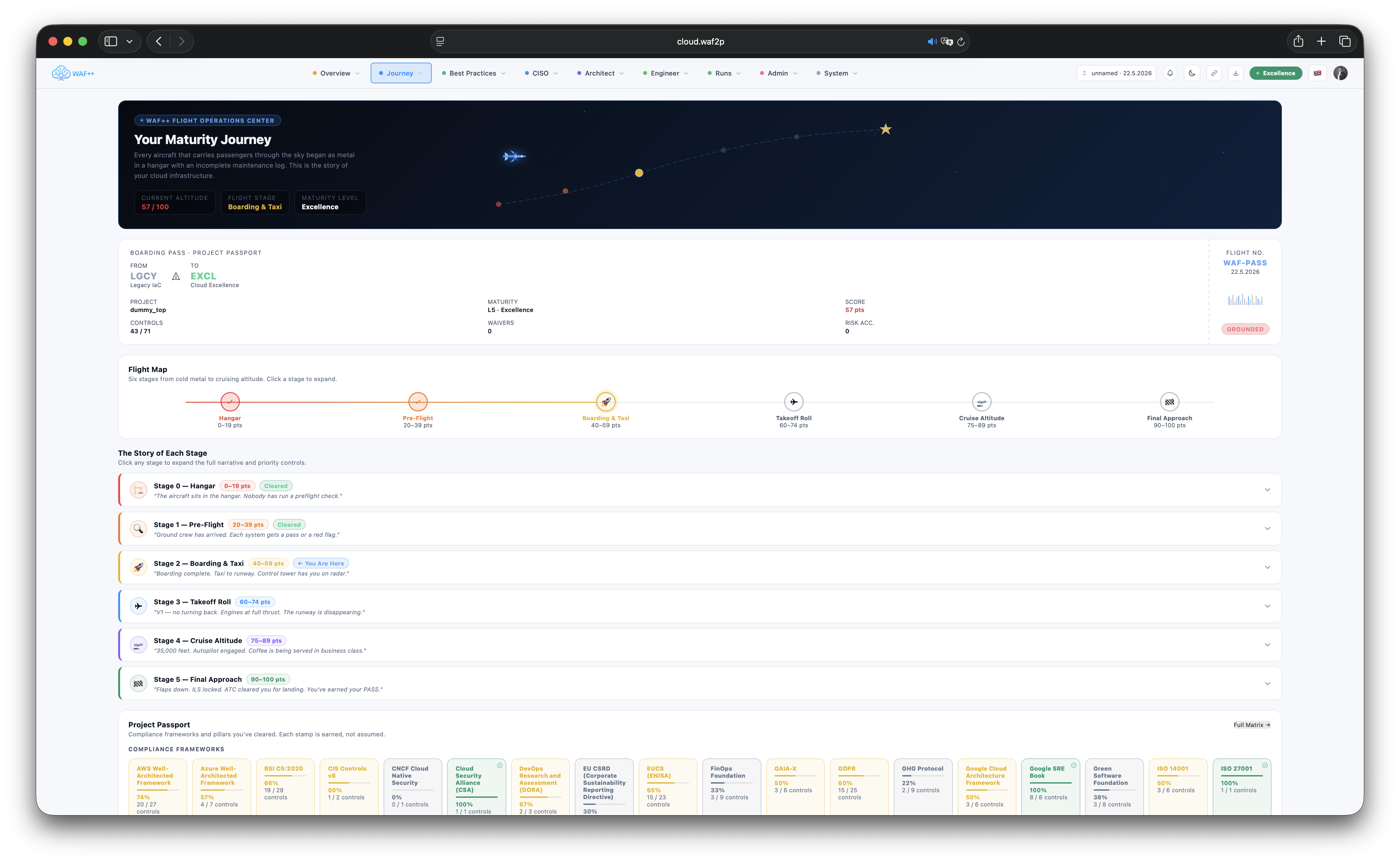
Cloud architecture course
A university uses Wombat to structure a cloud architecture course, teach vendor-neutral assessment, and let students compare public cloud designs using PASS scores.
Read the case →Start with your first assessment.
Read the docs to understand the pillars and scoring model, then run a structured review against your first workload.